Prices are shown for reference only and may vary by retailer. Always check the latest price before buying.
| Product | Award | Rating | Best For | Price |
|---|---|---|---|---|
| La Roche-Posay Anthelios Melt-in Milk Sunscreen SPF 60 | Best Overall | 4.7/5 | Daily face and body protection in high UV | Check latest |
| EltaMD UV Clear Broad-Spectrum SPF 46 | Best for Sensitive & Acne-Prone Skin | 4.8/5 | Sensitive, acne-prone, or post-shave skin | Check latest |
| CeraVe Hydrating Mineral Sunscreen SPF 30 | Best Budget Pick | 4.4/5 | Everyday budget-friendly mineral protection | Check latest |
| Biore UV Aqua Rich Watery Essence SPF50+ PA++++ | Best for Hot & Humid Climates | 4.6/5 | Sweat and humidity-heavy days | Check latest |
1. La Roche-Posay Anthelios Melt-in Milk Sunscreen SPF 60
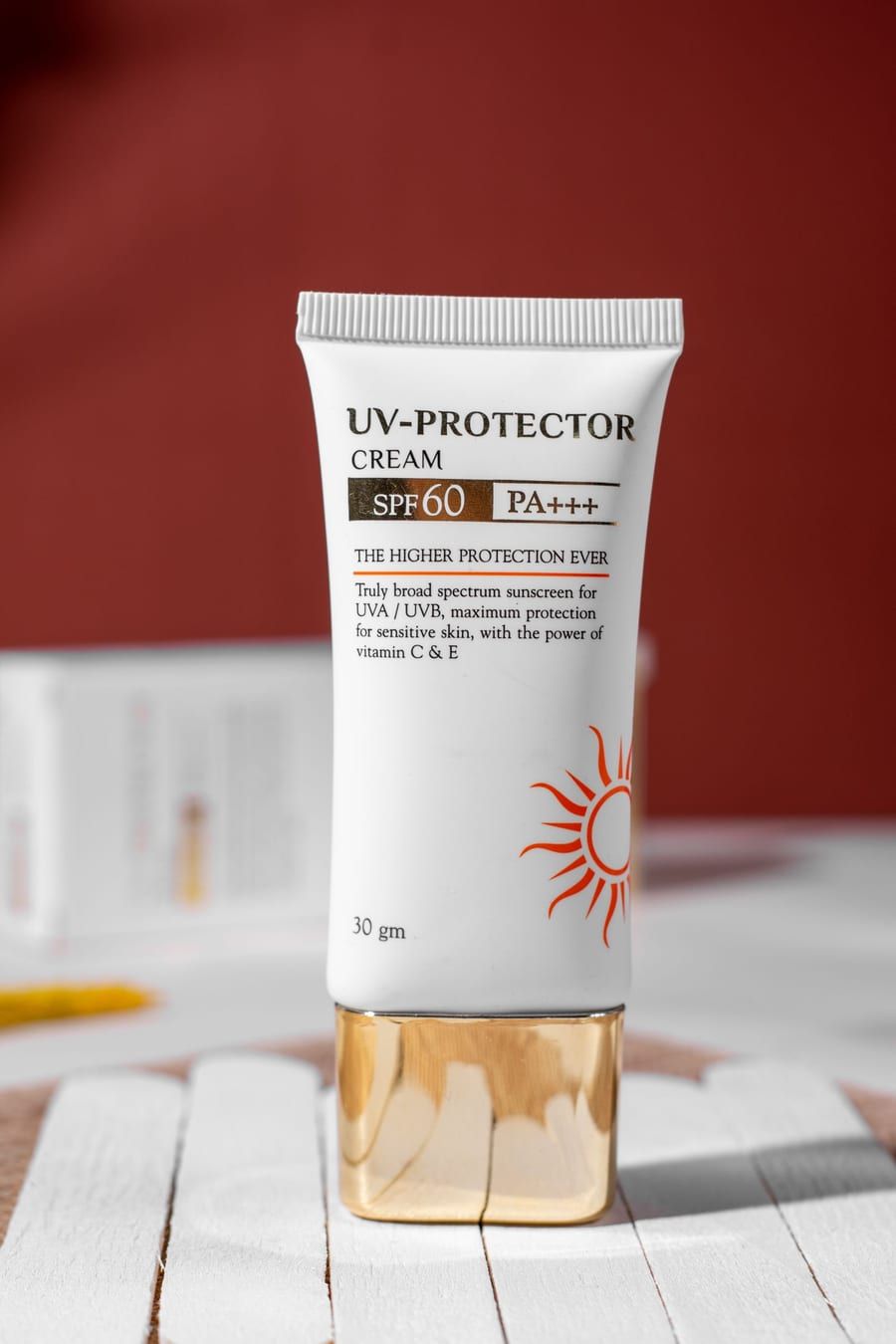
A broad-spectrum SPF 60 lotion with a fast-absorbing, velvety texture for face and body. Oil-free, water-resistant up to 80 minutes.
Pros
- High SPF 60 broad-spectrum protection
- Fast-absorbing, non-greasy
- Water-resistant up to 80 minutes
Cons
- Premium price point
- Can feel heavier if overapplied
One of the more dermatologist-recommended sunscreens out there, and the texture backs it up — sinks in quickly without the heavy residue some high-SPF formulas leave.
2. EltaMD UV Clear Broad-Spectrum SPF 46
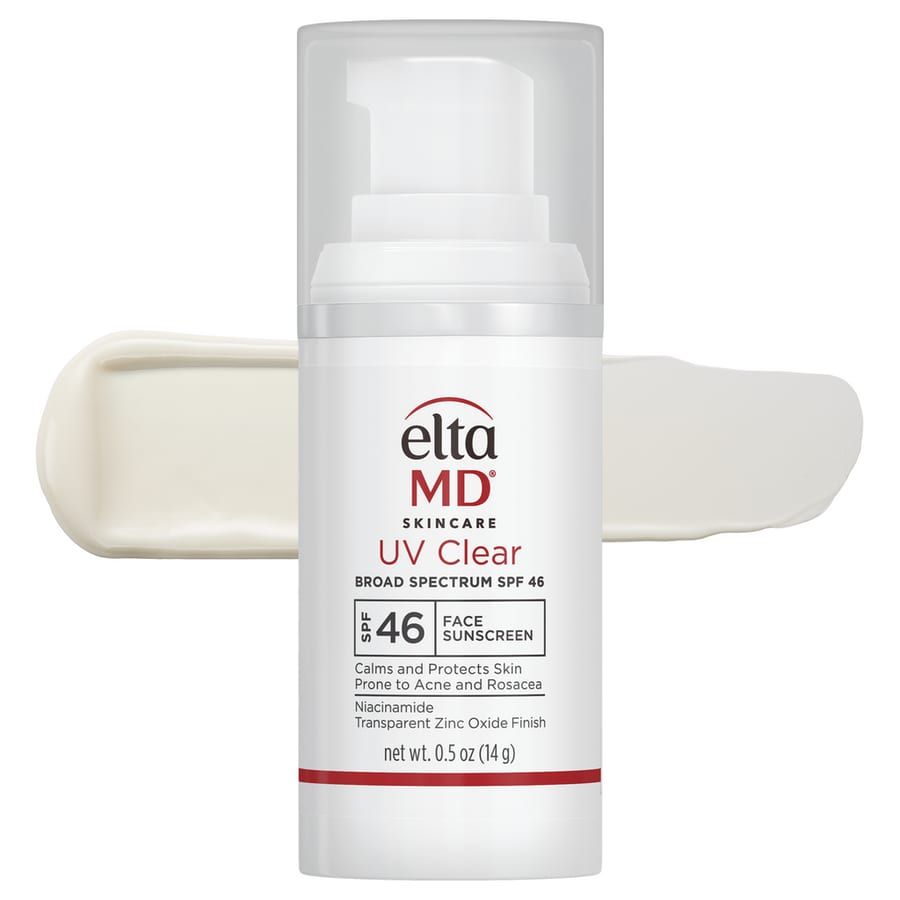
A lightweight, oil-free facial sunscreen built around zinc oxide with niacinamide and hyaluronic acid. Fragrance-free, no white cast on most skin tones.
Pros
- Fragrance-free, gentle formula
- No white cast on most skin tones
- Comfortable under a beard trim
Cons
- Higher price per ounce
- SPF 46 slightly lower than some rivals
Dermatology offices reach for this constantly — reactive or post-shave skin tends to notice the difference immediately, since it rarely stings or triggers breakouts.
3. CeraVe Hydrating Mineral Sunscreen SPF 30
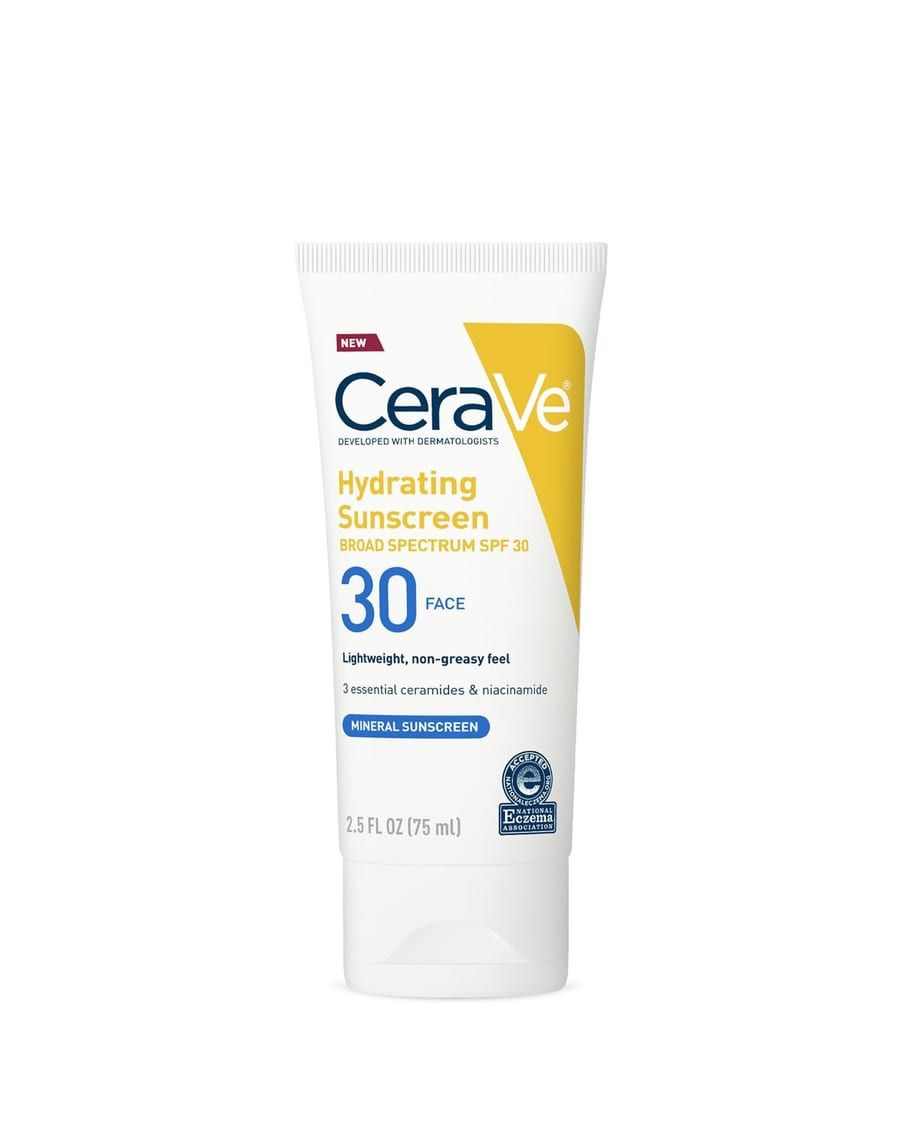
A 100% mineral sunscreen with zinc oxide and titanium dioxide, formulated with ceramides and hyaluronic acid to support the skin barrier.
Pros
- Affordable mineral formula
- Contains ceramides for barrier support
- Widely available at pharmacies
Cons
- Can leave a slight white cast
- Thicker texture than chemical sunscreens
Takes a bit longer to rub in than the lighter gels on this list, but the payoff is a genuinely soothing, barrier-friendly formula for anyone who reacts to chemical filters.
4. Biore UV Aqua Rich Watery Essence SPF50+ PA++++

A Japanese watery-essence sunscreen with SPF50+ PA++++ protection, combining mineral and organic UV filters. Absorbs almost instantly, zero white cast.
Pros
- Extremely lightweight, water-like texture
- No white cast, absorbs almost instantly
- Strong PA++++ UVA protection
Cons
- Reapplication needed after heavy sweating
- Imported product may cost more locally
If sunscreen has always felt heavy in hot, sticky weather, this one genuinely feels closer to water than lotion on application.
Frequently Asked Questions
What SPF level makes sense for daily use in a hot climate?
SPF 30 is the practical minimum for daily protection, and SPF 50 or higher is reasonable given a consistently high UV index. Reapplication every two hours during direct sun exposure still matters regardless of the SPF number.
Should sunscreen go under a beard?
Yes — skin under a beard is still exposed, especially through lighter or thinner facial hair, and can burn or age like bare skin. A lightweight, non-greasy formula works into facial hair without leaving residue.
Is mineral or chemical sunscreen better for hot climates?
Both can work well. Mineral sunscreens sit on top of the skin and may feel heavier in heat, while chemical sunscreens usually absorb faster and feel lighter. Sensitive or acne-prone skin often tolerates mineral formulas better.
How often does sunscreen need reapplying outdoors?
Roughly every two hours during direct sun, or immediately after heavy sweating. Formulas with strong water and sweat resistance hold up longer between applications.
Final Verdict
Daily sunscreen is one of the simplest habits for protecting skin against intense, year-round sun. La Roche-Posay's Anthelios formula is a dependable everyday choice, while EltaMD and Biore are worth prioritizing for sensitive skin or particularly hot, humid days.
Buying Guide
Daily sun protection matters more in a hot, high-UV climate than in most places. Broad-spectrum coverage — both UVA and UVB — should be non-negotiable, and SPF 30 is a reasonable daily minimum, with SPF 50 offering extra margin for outdoor work or driving.
Texture often decides whether a sunscreen actually gets used consistently. In hot, humid conditions, heavier creams can feel uncomfortable within minutes, which is why lightweight gels and water-gels tend to be more popular for daily face application. Anyone with a beard should also look for non-greasy formulas that work into facial hair without a waxy residue, since sun exposure still reaches the skin underneath.
Reapplication is the step most people skip but shouldn’t. A sunscreen applied once in the morning won’t maintain full protection through a full day outdoors, particularly after sweating — keeping a compact SPF stick for midday reapplication, and choosing a water-and-sweat-resistant formula, makes it much easier to stay protected through hot summers.